The Benefits of Skill Development in Schools
- Ralph Emerson
- Aug 12, 2024
- 3 min read

In today’s rapidly evolving world, traditional education alone is no longer enough to prepare students for future success. Skill development in schools has become a crucial aspect of education, helping students acquire the skills they need to excel both academically and in their future careers. At Jakapa, we understand the significance of integrating practical skills into the school curriculum, as it equips students with the necessary tools to navigate an increasingly complex world.
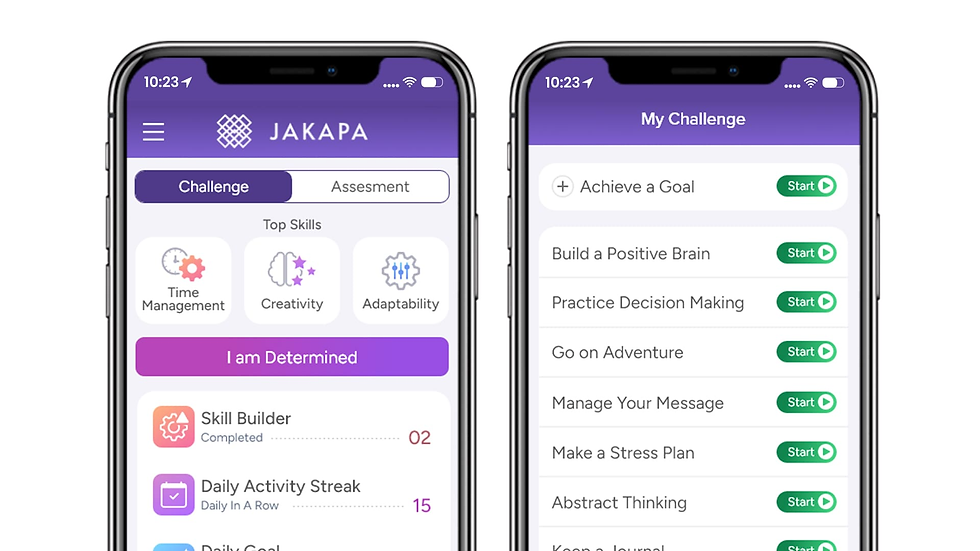
Why Skill Development in Schools Matters
Skill development in schools is not just about imparting academic knowledge; it involves nurturing a set of competencies that are essential for personal and professional growth. Traditional education focuses heavily on theoretical knowledge, but skills such as critical thinking, communication, and teamwork are equally important for a well-rounded education. By incorporating skill development into the school curriculum, educators can ensure that students are better prepared for the challenges of the real world.
Jakapa recognizes the need for a balanced approach to education, combining academic learning with practical skills. This holistic approach not only enhances students' academic performance but also prepares them for various life scenarios. For example, skills like problem-solving and time management are invaluable in both personal and professional contexts, making them essential components of modern education.
Key Skills to Learn for Students
To thrive in today’s competitive landscape, students need to acquire a range of skills beyond the traditional subjects. Here are some of the most important skills to learn for students:
Critical Thinking and Problem-Solving: These skills are crucial for analyzing situations, making informed decisions, and finding effective solutions. Encouraging students to engage in activities that challenge their thinking and require creative problem-solving helps them develop these essential skills.
Communication Skills: Effective communication is key to success in virtually any field. Students should be encouraged to improve their verbal and written communication abilities, which will serve them well in their future careers and personal interactions.
Teamwork and Collaboration: Working well with others is a vital skill in today’s interconnected world. Group projects and collaborative activities teach students how to cooperate, share ideas, and work towards common goals, which are important aspects of any successful career.
Digital Literacy: In the digital age, understanding how to use technology effectively is crucial. Students should be proficient in using various digital tools and platforms, as well as aware of digital safety and etiquette.
Adaptability and Resilience: The ability to adapt to new situations and bounce back from setbacks is essential for personal and professional success. Schools should provide opportunities for students to experience and overcome challenges, fostering resilience and flexibility.
Financial Literacy: Understanding basic financial concepts, such as budgeting, saving, and investing, is important for managing personal finances effectively. Introducing financial literacy early in education helps students make informed financial decisions in the future.
Integrating Skill Development into the Curriculum
To effectively incorporate skill development into the school curriculum, educators can adopt various strategies:
Project-Based Learning: Engage students in real-world projects that require critical thinking, problem-solving, and teamwork. This hands-on approach helps students apply their knowledge and develop practical skills.
Extracurricular Activities: Encourage participation in clubs, sports, and other extracurricular activities that promote skill development. These activities provide opportunities for students to enhance their communication, leadership, and collaboration skills.
Workshops and Seminars: Organize workshops and seminars on topics such as digital literacy, financial management, and career planning. These events expose students to new skills and provide practical knowledge that complements their academic learning.
Mentorship Programs: Connect students with mentors who can provide guidance, support, and real-world insights. Mentorship programs offer valuable opportunities for skill development and career exploration.
The Role of Educators and Parents
Educators and parents play a crucial role in supporting skill development in students. Teachers can integrate skill-building activities into their lessons and create a supportive learning environment. Parents, on the other hand, can reinforce the importance of skills at home by encouraging their children to engage in skill-building activities and providing opportunities for practical experiences.
At Jakapa, we believe that collaboration between educators, parents, and students is key to successful skill development. By working together, we can ensure that students acquire the necessary skills to excel in their future endeavors.
The future success of our students depends on their ability to develop and apply essential skills. As educators, parents, and community members, we must prioritize skill development in schools and encourage the acquisition of skills to learn for students. By embracing a holistic approach to education, we can help students build a strong foundation for their personal and professional growth.
If you're interested in learning more about integrating skill development into your educational practices or supporting students in acquiring crucial skills, reach out to us at Jakapa. Let's work together to prepare students for a successful future!



Comments